
From 3-4 weeks to 3-4 days: what chaining AI agents actually looks like
Early in my career at Laing Homes, I spent weeks compiling residential development marketing reports - researching local markets, driving around competing sites, collecting brochures from showhomes.
Last week, I did the same job for a client in 3-4 days. Not because the work is easier now. Because I chained AI agents together to do it.
The ask
A property consultant approached DPC to build a marketing brochure for a client selling a site for residential development. The brief needed a lot: national and local market assessment, planning conditions, environmental considerations, competitor analysis, and a sales strategy covering both developers and end buyers.
My first attempt was to build a single chatbot conversation. However, too many questions in one thread, and the quality of the answers started to drop - responses got vaguer and lost the thread of what had come before.
The solution
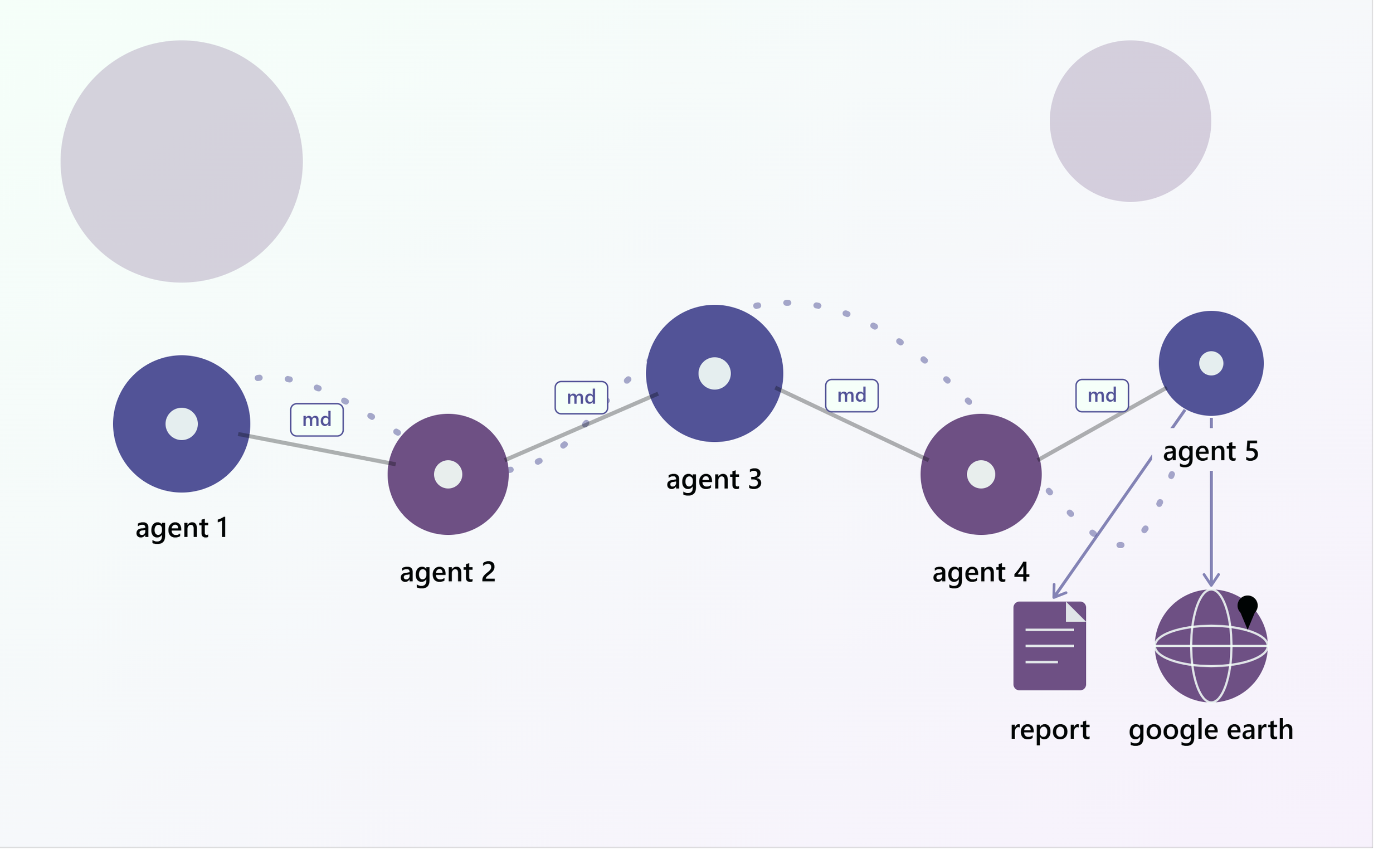
So instead, using Claude Projects, I built six separate agents, each with a narrow, specific focus - one on planning, one on local market conditions, and so on. Each agent's output was an MD file, which became the next agent's knowledge file. That kept a consistent thread running through the whole report, without asking any single agent to hold everything at once.
For the competitor analysis, we went a step further: an agent converted the comparable land sales report into a KML file, which we uploaded to Google Earth for an interactive map of competing developments.
End to end, a report that would have taken 3-4 weeks was done in 3-4 days.
The lesson wasn't "AI is faster." It was that breaking a big research task into smaller, connected agents — each with a narrow job and a clean handoff — produces better output than asking one model to do everything at once.
Interactive video of housing developments
Related Services