
AI Prompts and Agent Development
Enhance team productivity with powerful agents and effective prompts
Your team is using AI, but it isn't showing up in the numbers. Prompting is inconsistent, the tools you've tried don't fit how you actually work, and the productivity gains you were promised haven't materialised. It comes down to three issues — capability, fit and output.
Capability
Some people on your team get strong, reliable results from AI. Most don't. There's no shared standard for what good prompting looks like, so the gains are inconsistent and hard to plan around.
Fit
Off-the-shelf AI assistants and generic chatbots solve generic problems. They don't automate your specific workflows or extend what your product can do — so teams end up working around the tool instead of with it.
Output
You may have invested in AI training or tools before, and the productivity gains still haven't shown up where it counts. Without agents built for your actual processes, AI stays a skill people have rather than a result the business sees.
Train your team in the prompting techniques that produce consistently reliable, usable output.
Build agents around your actual workflows, not generic use cases.
Automate the repetitive tasks slowing your team down, freeing them for higher-value work.
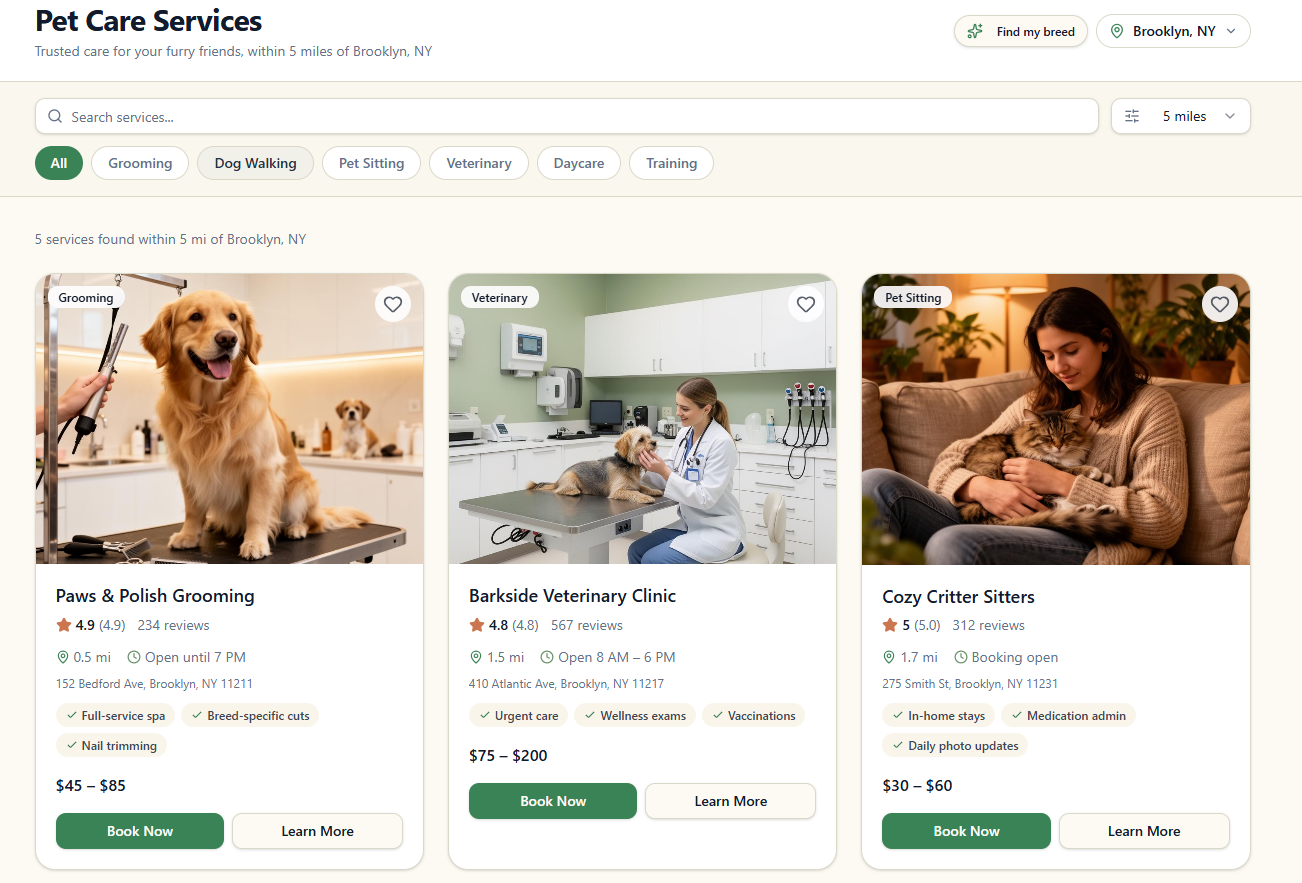
Develop new front-end functionality that extends what your product can do.
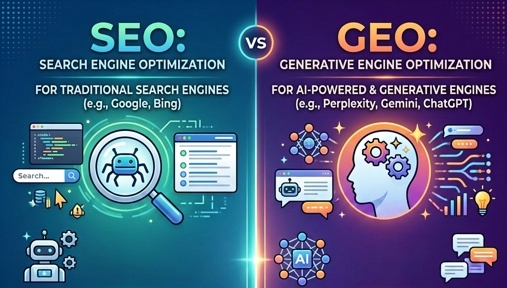
Build AI-visibility into your content and structure, so chatbots and AI search tools, not just traditional search engines, can find and cite you.
Our approach
Prompt training examples


Case Study
AI-Generated Marketing Report for a Residential Development Scheme
The Challenge: A property consultant was approached by a landowner to produce a marketing report for a new build residential scheme. The brief spanned several specialisms - local property market assessment, planning conditions, environmental considerations, and sales strategy covering buyer profile and price positioning - the kind of report that typically takes multiple specialists and several weeks to pull together into one coherent, client-ready document.
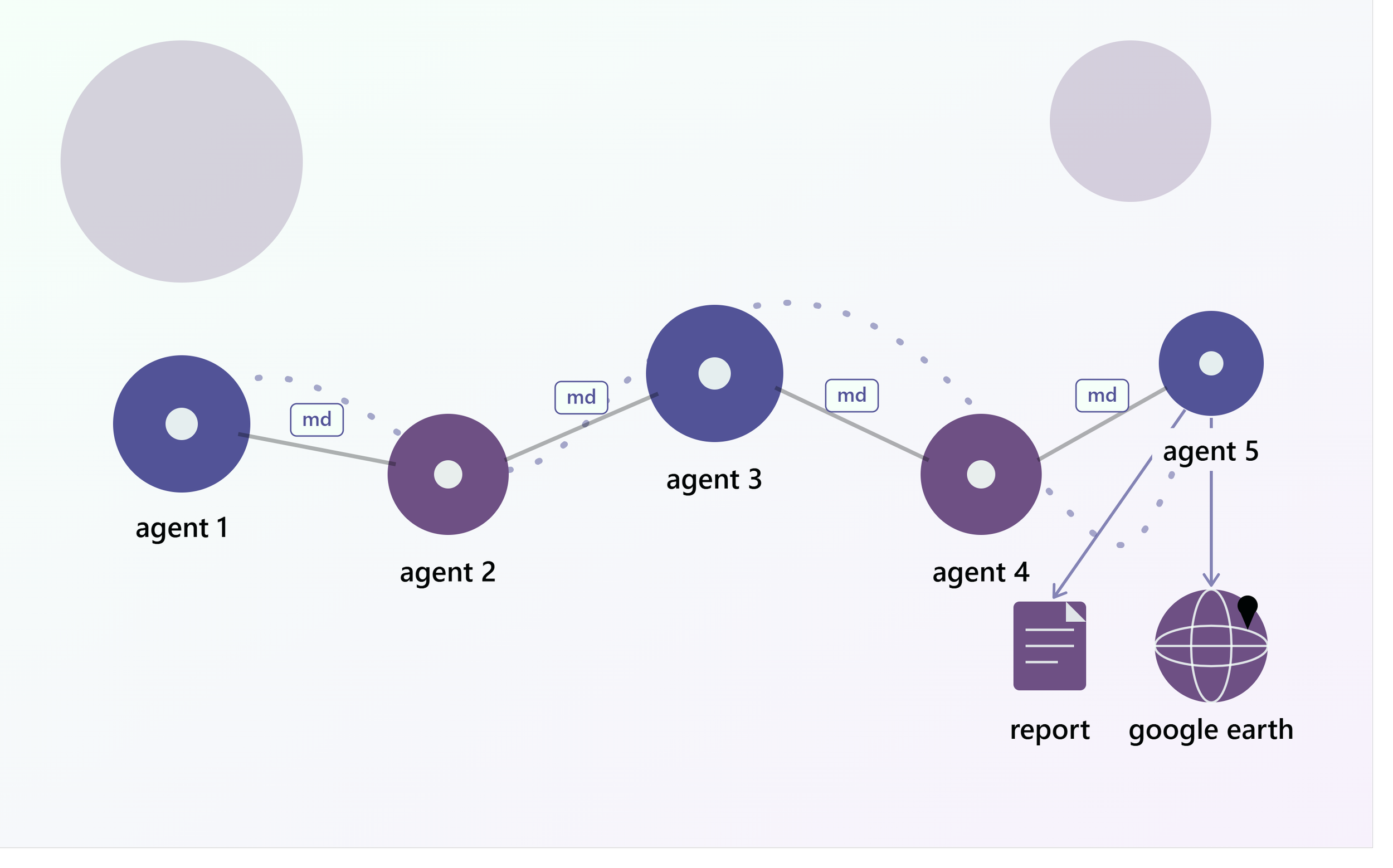
The Approach: I built a series of chained AI agents, each running targeted queries against one element of the brief - market data, planning conditions, environmental factors, and sales positioning - before bringing the outputs together into a single, client-ready marketing report. To strengthen the sales strategy element, I sourced data on comparable sites within a five-mile radius, generated a KML file from the location data, and uploaded it to Google Earth to create a visual, interactive map the owner could use directly in conversations with prospective buyers.
The Outcome: The land owner received a comprehensive, client-ready marketing report covering market, planning, environmental and sales considerations - produced in a fraction of the time a traditional multi-specialist approach would take. The interactive comparable-sites map gave them a practical tool for stakeholder conversations, and demonstrated a tangible route to using AI to accelerate similar reports across future schemes.
Blogs