
Fractional Chief Product Officer
Guiding domain experts through the messy path from a raw idea to a commercially viable digital product
You know exactly what your industry needs, but translating that expertise into a digital product is a different discipline.
You know what you want to build but haven’t considered the path to production - what to build first, how to test whether it meets user needs and achieves product-market-fit.
However, without a validated product strategy, you are building blind. This often leads to a bloated, expensive product that tries to solve every problem on day one.
Furthermore, you lack the technical vocabulary to manage the build, it becomes difficult to know if the architecture is correct or if your budget is being spent on the right priorities.
By working with a fractional Chief Product Officer (CPO), we support you through your journey to product success.
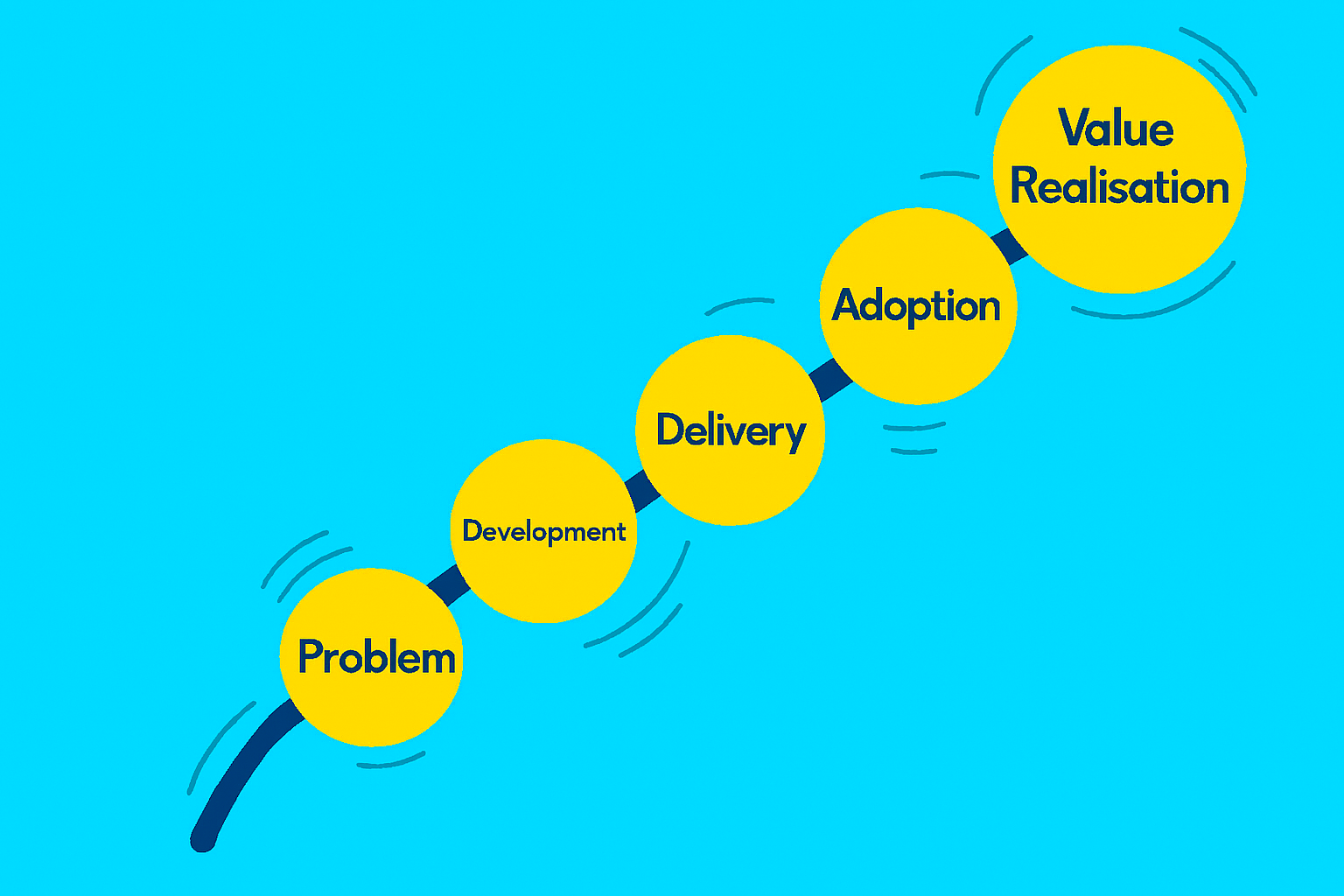
How the fractional CPO works with you
Where domain experts get stuck
-
Product Vision: Establishing a clear, commercial concept that translates your domain expertise into a viable software opportunity.
User Personas: Defining exactly who your target users are and mapping the specific problems the product must solve for them.
MVP Scoping: Designing a lean, testable Minimum Viable Product so you can prove market fit without paying for unnecessary development.
Strategic Roadmap: Creating a prioritised, step-by-step sequence that dictates the path to production and guides the technical build.
Cost: £1000 for four 1-hour sessions
-
Commercial Viability: Defining the revenue model and pricing strategy to prove the product can generate a financial return.
Market Positioning: Analysing the competitive landscape and sizing the target market to demonstrate concrete demand to potential investors.
Cost Forecasting: Translating the Phase 1 roadmap into a realistic development budget and timeline so you know exactly how much capital you need to raise.
Pitch Narrative: Assembling a structured, data-backed business case and pitch deck to present to external backers or internal stakeholders.
Cost: Custom-scoped based on the roadmap agreed upon in Phase 1.
-
Technical Translation: Acting as your proxy to communicate requirements clearly to the development team, ensuring your domain expertise is accurately reflected in the code.
Vendor Management: Overseeing the designers and engineers building your product, holding them accountable to the agreed timelines and technical standards.
Scope Protection: Rigorously defending the lean MVP boundaries defined in Phase 1 to prevent costly feature creep and keep the build on budget.
Quality Assurance: Reviewing development progress and sprint outputs to guarantee the software is fundamentally usable and solves the right user problems.
Cost: Custom-scoped based on the roadmap agreed upon in Phase 1.
-
Market Release: Coordinating the deployment process and onboarding your initial cohort of users, transitioning the software from a development project to a live commercial asset.
Operational Efficiency: Identifying and integrating AI tools and automated workflows to support user onboarding and backend operations, allowing you to scale the product without immediately inflating headcount.
Data and Analytics: Establishing tracking mechanisms to capture quantitative user behavior and qualitative feedback, ensuring you have clear visibility into how the market engages with the platform.
Iterative Roadmap: Analysing early adoption data to prioritise the next cycle of features, guaranteeing that subsequent development budgets are spent only on validated user needs rather than assumptions.
Cost: Custom-scoped based on the roadmap agreed upon in Phase 1.
43%
80%
of startups fail for one reason: they built a product nobody wanted. Source: CB Insights
is the average overspend for software projects because initial requirements and scope were poorly defined. Source: McKinsey
From vision to roadmap in four sessions: Case study with Maxine Nwaneri
“You got me from the stage of having a bit of a fuzzy idea of what I want to do to crystal clarity on what I’m doing.”
of features in typical software products are rarely or never used. Source: Pendo
45%
Case Study: Mobile Analytics for Executive Decision-Making
The Challenge Working as Head of Product for a global energy consultancy, we identified a gap in the portfolio. Senior leaders needed to query complex data while away from their desks or in meetings. The existing setup required them to consult an analyst, creating a bottleneck that slowed decision-making and limited executive engagement.
The Approach I guided this initiative through the complete software delivery lifecycle. This began with initial discovery to validate the problem and securing internal funding for the build. Because the underlying data was highly complex, we designed a multi-layered architecture allowing users to interrogate data one element at a time without being overwhelmed.
Before the full release, we ran a structured beta testing phase to validate the usability of this layered approach. We moved from concept to build, test, and launch within six months, transitioning immediately into continuous iteration based on live user feedback.
The Outcome The app was packaged into the core subscription products. Bypassing the analyst bottleneck drove immediate adoption among an executive user base that previously did not engage directly with the platform. Giving leadership this direct visibility of data actively supported client retention and served as a tangible asset for new acquisition.
Who’s an expert in Digital Transformation
-
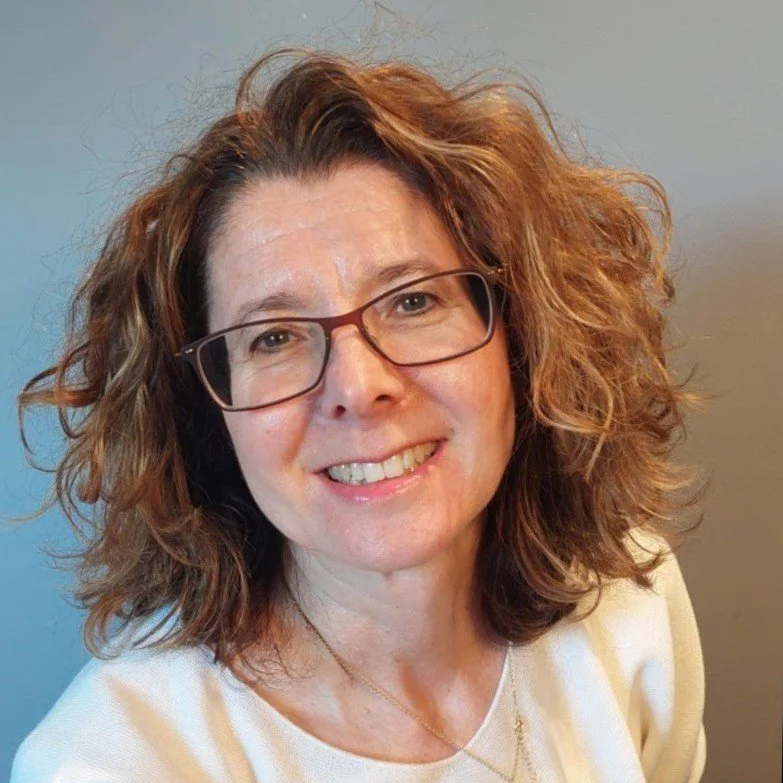
Corinne Millar, Product Leader